


By the Texas Car Accident Attorneys at Lobo Ley

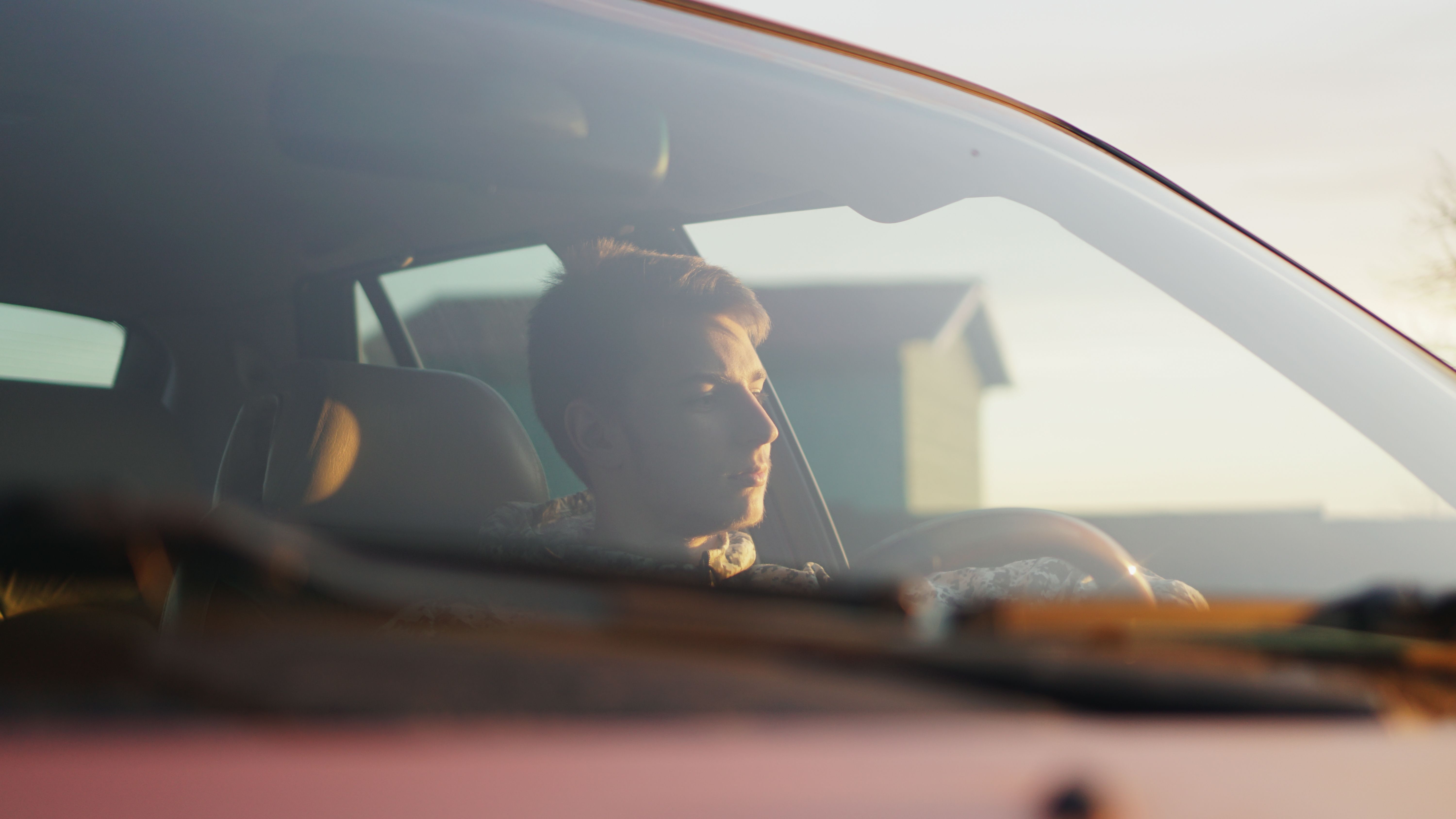
The first bell of the school year changes the way traffic moves across Texas. Buses pull over every few blocks, parents rush through crowded drop-off lines, and teenagers who just earned their licenses join the morning commute for the very first time. It is no surprise that back-to-school car accidents climb sharply in August, right when families are still settling into new routines and busier roads.
If you or your child was hurt in a crash near a campus, inside a marked school zone, or at a bus stop, you are probably worried about medical bills, missed work, and what comes next. This guide explains why August is one of the most dangerous months on Texas roads, how these crashes tend to happen, and what you can do to protect your health and your right to fair compensation.
At Lobo Ley, we have spent more than fifteen years helping injured people in Houston, Dallas, San Antonio, and communities all across the state. If you have questions about a back-to-school crash, you can call us any time at 713-481-0072 or reach out through the online contact form on our website for a free and confidential consultation.
Back-To-School Car Accidents In Texas: Why Does August Turn Into The Most Dangerous Month On The Road?
August brings a sudden change to streets that were quiet all summer. Neighborhood roads fill with walkers and bikers, and thousands of vehicles funnel toward the same campuses within the same thirty-minute windows. That mix of heavy traffic, tight timing, and distraction is exactly what makes back-to-school car accidents so common.
The numbers back this up. According to the Texas Department of Transportation, there were 877 traffic crashes in Texas school zones in 2025, a 12 percent increase over the year before. TxDOT reported that distracted driving and speeding were the most common factors in those crashes, and both problems get worse when drivers are rushing to beat the first bell.
Several patterns explain why the risk climbs so quickly each year:
- More foot traffic: children walking and biking to school fill sidewalks and crosswalks that sat empty over the summer
- Crowded school zones: drop-off and pickup lines create sudden stops and tight spaces near every campus
- New teen drivers: recently licensed drivers return to daily driving with very little experience behind the wheel
- Frequent bus stops: school buses pause often and require traffic in both directions to come to a full halt
- Rushed mornings: parents running late are far more likely to speed or glance at a phone
The danger is concentrated in specific places and specific hours rather than spread evenly across the day. Knowing where and when these crashes happen is the first step toward avoiding them, and toward understanding your options if one has already turned your family's life upside down.
School Zone Crashes In Houston And Beyond: What Makes A Few City Blocks So Risky?
A school zone squeezes a lot of activity into a small stretch of road. Reduced speed limits, flashing lights, crossing guards, and children who do not always look before stepping off a curb all combine within a few hundred feet. When a driver ignores those signals, even a low-speed impact can cause serious harm.
Texas law treats school zones as protected areas for good reason. Using a handheld phone while driving through an active school zone is against the law, and traffic fines increase inside these zones. Those rules exist because a distracted driver who looks up too late has almost no room to react near a busy campus in Houston, Fort Worth, or El Paso.
Timing matters as much as location. National crash data shows that the 3 p.m. to 4 p.m. hour is the most dangerous window for school-age pedestrians, lining up with dismissal times when tired drivers and excited kids share the same crosswalks. Streets feeding into major routes like Interstate 45 and Loop 610 grow especially congested in those afternoon minutes, and a single rolling stop can change everything. If you were hit in or near a school zone, that location alone can matter to your claim, because it may help show that another driver was not paying attention or was speeding.
Teen Drivers Heading Back To Class: Why Are New Drivers More Likely To Cause A Crash?
Every August, thousands of newly licensed teenagers rejoin Texas roads at the same time. Many of them have not driven regularly all summer, and few have handled a packed school parking lot or a busy afternoon commute. Inexperience, combined with distraction and passengers in the car, makes young drivers a real factor in the fall spike.
This does not mean every teen driver is careless. It means the roads around schools carry more drivers who are still learning to judge speed, distance, and their own limits. When a young or distracted driver causes a collision in Dallas, Arlington, or Austin, the injured people have the same right to pursue a claim as they would in any other crash.
Distracted Driving And School Buses: How Do Everyday Mistakes Turn Into Serious Injuries?
A school bus is one of the safest ways for a child to travel, but the vehicles around it create real danger. Texas recorded 2,358 collisions involving school buses in 2024, and many of those crashes involved drivers of other vehicles who failed to stop or slow down in time.
Texas law requires drivers to stop when a school bus displays its flashing red lights and extends its stop arm, whether you are behind the bus or approaching from the other direction on an undivided road. Passing a stopped bus puts children directly in harm's way during the moments they are most exposed.
Distraction is the thread running through many of these cases. A driver checking a text or turning to quiet a back seat can miss a bus signal, a crossing child, or a sudden stop ahead. Those few seconds of inattention are often the difference between a near miss and a life-changing injury for a family in San Antonio, Corpus Christi, or Plano.
Child Pedestrian And Bus Stop Injuries: Who Can Be Held Responsible When A Child Is Hurt?
Responsibility in these cases depends on the facts, and more than one party can share the blame. Sorting out who was at fault often takes a careful look at speed, signals, and driver behavior in the seconds before impact.
- The driver: a motorist who was speeding, distracted, or ignoring a school zone or bus signal
- An employer: a company whose driver caused the crash while working or making deliveries
- A property owner: a party responsible for a poorly designed or poorly maintained crossing or lot
- A vehicle maker: a manufacturer whose defective brakes or other parts contributed to the crash
Because children cannot always protect themselves near traffic, Texas law still allows an injured child's family to seek compensation even in difficult situations. An honest review of the facts is the only way to know who may be held accountable and what a claim could be worth.
What To Do After A Back-To-School Car Accident In Texas: How Do You Protect Your Health And Your Claim?
The hours after a crash are stressful, and the choices you make can affect both your recovery and any future claim. Taking a few clear steps helps protect your family while the details are still fresh.
- Call 911: report the crash so police and paramedics respond and create an official record
- Get medical care: see a doctor even if you feel fine, since some injuries appear hours or days later
- Document the scene: take photos of the vehicles, the roadway, any school zone signs, and visible injuries
- Gather information: collect names, contact details, and insurance information from drivers and witnesses
- Avoid admitting fault: stick to the facts and let the investigation determine what happened
- Keep your records: save medical bills, repair estimates, and notes about missed work and daily limits
Once your family is safe and treated, speaking with a car accident attorney early can help you understand your rights before you talk to an insurance adjuster. The sooner the facts are preserved, the stronger your position tends to be.
Filing A Texas Car Accident Claim: How Long Do You Have And How Does Fault Affect Your Case?
Texas gives injured people a limited window to take legal action. In most car accident cases, you have two years from the date of the crash to file a lawsuit, and waiting too long can cost you the right to recover anything at all. Deadlines can differ when a child or a government vehicle is involved, so it is wise to confirm your timeline early.
Fault in Texas follows a modified comparative responsibility rule. You can still recover money if you were partly at fault, as long as you were not more than 50 percent responsible, but your compensation is reduced by your share of the blame. This is why insurance companies often try to shift responsibility onto injured drivers, and why the facts you preserve early can matter so much later.
These rules apply the same way whether your crash happened on a quiet street in Frisco, along Interstate 35 near Austin, on the busy corridors of Irving and Laredo, or in a school zone in Lubbock. What changes from case to case is the evidence, the injuries, and the parties involved. A clear review of your Texas crash is the best way to understand what your claim may involve, though no honest attorney can promise a particular outcome.
Back-To-School Car Accident Questions: What Do Texas Families Ask Us Most?
Below are answers to some of the questions we hear most often from families after a school zone or back-to-school crash.
- Why do back-to-school car accidents spike in August: the return of buses, walkers, new teen drivers, and rushed drop-off traffic all crowd the same roads at the same hours
- Who is liable in a school zone accident in Texas: liability can fall on a distracted or speeding driver, an employer, a property owner, or a vehicle maker, depending on the facts
- How long do I have to file a Texas car accident claim: most injured people have two years from the crash date, though special rules can apply when a child or a government entity is involved
- What should I do if my child was hurt at a bus stop: get medical care right away, document the scene, and speak with a car accident attorney before dealing with any insurer
- Do I still have a case if I was partly at fault: you may still recover if you were not more than half responsible, though your compensation would be reduced by your share of fault
Every crash is different, so the best answers come from a review of your specific situation. If your question is not listed here, we are glad to talk it through with you.
Talk To A Texas Car Accident Attorney After A Back-To-School Crash
August should be about fresh starts, not emergency rooms and insurance calls. When a back-to-school car accident turns your family's routine into a fight for answers, you do not have to face it alone. The team at Lobo Ley has helped injured Texans for fifteen years, and we are ready to listen, explain your options in plain language, and stand up for what your family needs.
You can reach us any time, day or night. Call 713-481-0072 or fill out the online contact form on our website to schedule your free and confidential consultation. We work on a no win, no fee basis, so there is no cost to learn where you stand after a Houston, Dallas, or San Antonio back-to-school crash.
Disclaimer: This blog is intended for informational purposes only and does not establish an attorney-client relationship. It should not be considered as legal advice. For personalized legal assistance, please consult our team directly.