


By the Lobo Ley Defective Product and Personal Injury Team

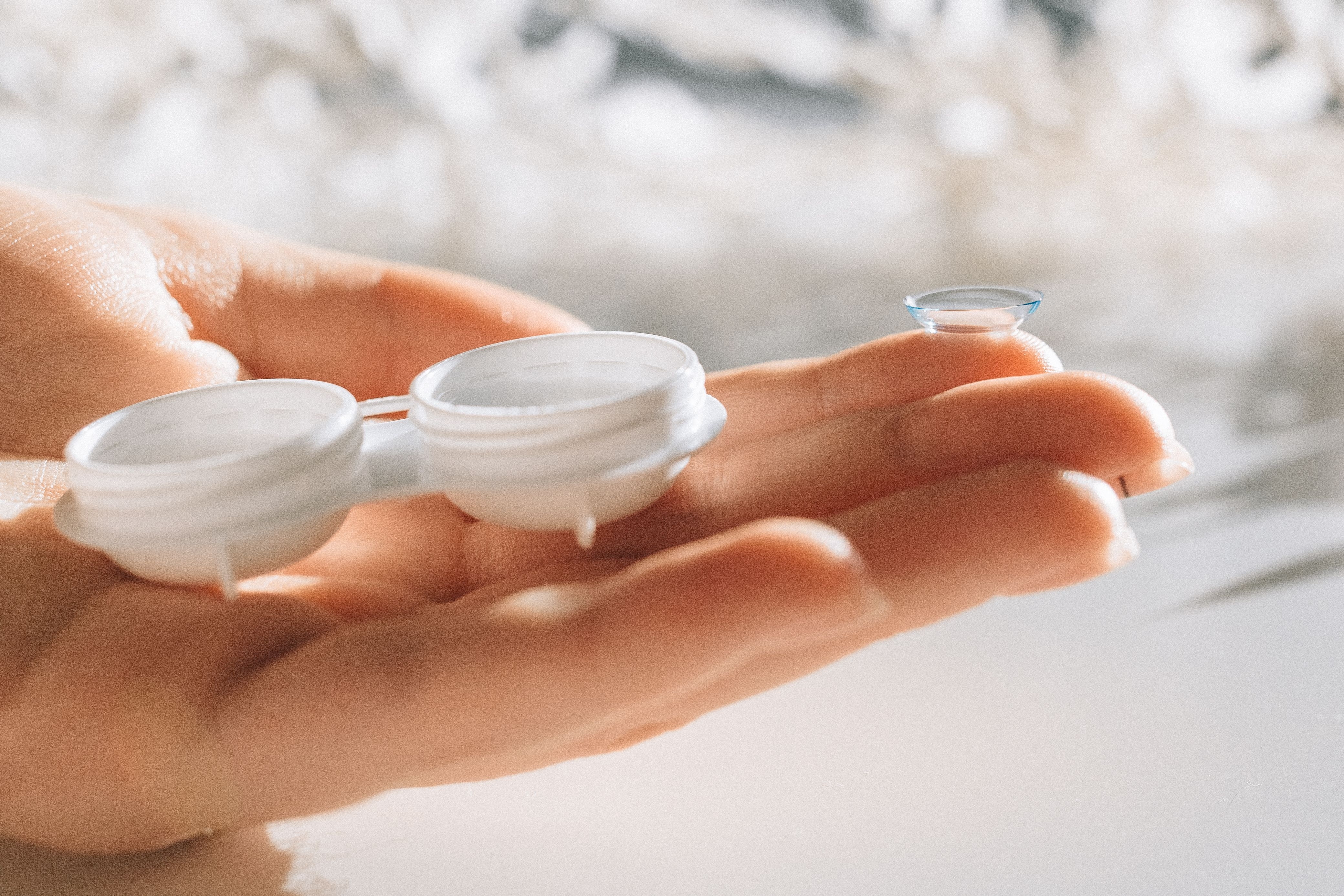
You trust the lenses you put in your eyes every single morning. So when your vision turns cloudy, your eye swells and reddens, and the pain refuses to ease, the last explanation you expect to hear is that the product itself was the problem. The truth is that defective contact lenses can cause permanent eye damage, and for some people across Texas, a preventable defect has led to scarring, serious infection, and lasting vision loss.
If you are here because your eyes were injured after using a lens, a contact lens solution, or a related eye care product, you deserve clear and honest answers. This article walks you through how a defective lens can harm your eyes, when that harm may support a legal claim, and what practical steps you can take to protect both your health and your rights.
You do not have to sort through this alone. If you or someone you love suffered an eye injury you believe is tied to a faulty product, call Lobo Ley at 713-481-0072 or reach out through the contact form on our website. A conversation with our team is free, and we work on a no win, no fee basis, so you can get answers without any financial risk.
Defective Contact Lenses And The Eye: How Does A Flawed Product Cause Injury?
Your eye is one of the most sensitive parts of your body, and a contact lens sits directly on the surface of it for hours at a time. When that lens is made correctly, most people wear it comfortably for years. When something in the product goes wrong, the same lens that should protect your sight can become the source of real injury.
A defect can enter the picture long before the lens ever reaches your eye. The problem may come from the materials, the manufacturing process, the sterilization, the packaging, or the solution meant to keep the lens safe. In each case, the fault lies with the product, not with the person trusting it.
Some of the most common ways a defective eye care product causes harm include the following:
- Poor oxygen flow: a lens built from the wrong material can starve the cornea of oxygen and damage tissue
- Contamination: bacteria or foreign particles introduced during manufacturing can trigger a severe eye infection
- Failed sterilization: a solution or lens that is not truly sterile can carry harmful organisms straight to the eye
- Sharp or torn edges: a molding flaw can leave an edge that scratches the cornea with every blink
- Faulty packaging: a broken seal can expose a sterile product to contamination before you ever open it
Any one of these problems can turn a routine morning into a medical emergency. The key point is simple. When a lens or solution injures you because of how it was made rather than how you used it, the manufacturer, and not you, should answer for the harm.
Recalled Lenses And Solutions: Why Should The Latest Eye Care Recalls Concern You?
Eye care recalls have moved from rare events to regular headlines, and that shift matters for anyone who wears contacts. In 2026 alone, drug makers pulled millions of bottles of eye drops from shelves at pharmacies like Walgreens, CVS, and Kroger after the FDA flagged a lack of assurance of sterility and foreign contamination in certain products.
Contact lens solutions and lenses themselves have faced their own recalls in recent years, often over sterility and contamination concerns. These recalls exist for a reason. A single contaminated product can cause outbreaks of infection, and past sterility failures in eye care products have been linked to serious infections and even permanent vision loss.
A recall does not undo an injury that already happened. If you were hurt by a product that was later recalled, that recall can actually support your claim, because it shows the maker recognized a defect. If you still have the lens box, the solution bottle, or the packaging, keep it in a safe place, since it may become important evidence in your case.
Permanent Eye Damage From Contact Lenses: Which Injuries Can Last A Lifetime?
Not every eye irritation becomes a lasting injury, and many people recover fully with prompt care. The concern with a defective product is that the harm can move quickly from uncomfortable to permanent, especially when infection or oxygen loss reaches the cornea.
The injuries our clients describe often go far beyond temporary redness. In serious cases, a defective lens or solution has contributed to outcomes that change a person's daily life for good.
Some of the lasting injuries connected to defective contact lenses include the following:
- Corneal ulcers: open sores on the cornea that can scar and blur vision permanently
- Corneal scarring: lasting damage that clouds the clear front of the eye
- Chronic infection: repeated or drug-resistant infections that resist standard treatment
- Partial vision loss: reduced sight that does not fully return even after surgery
- Loss of an eye: in the most severe cases, an infection so advanced the eye cannot be saved
These outcomes are painful to read, and far more painful to live through. If you are facing surgery, ongoing treatment, or a future with reduced vision, the costs are not only physical, and Texas law gives you a way to seek accountability for them.
After A Contact Lens Injury: What Practical Steps Protect Your Health And Your Claim?
The moments and days after an eye injury can feel overwhelming, and your health always comes first. Still, a few practical steps can protect both your recovery and any future claim. Taking them early makes a real difference later.
Here are the steps we encourage anyone with a suspected product injury to consider:
- See a doctor: get medical care right away, since fast treatment can limit permanent damage
- Keep the product: save the lenses, solution, box, and packaging exactly as they are
- Save your records: hold on to receipts, prescriptions, and any online order history
- Photograph everything: take clear photos of your eye, the product, and any labels
- Write it down: note the dates, symptoms, and how the injury has affected your daily life
- Avoid quick statements: do not give a recorded statement to a company without advice
After you have protected your health and your evidence, the next move is to understand your legal options. A short conversation with an injury attorney can tell you whether the facts point to a defective product claim.
Defective Contact Lens Lawsuits In Texas: When Does A Product Defect Support A Claim?
Texas product liability law lets injured people hold companies responsible when a defective product causes harm. In contact lens cases, the claim usually centers on the product itself, not on how carefully you followed the directions. That distinction is important, because a company cannot escape responsibility by pointing at the customer when the defect was built into the product.
Most defective product claims fall into one of three categories. Understanding them helps you see where your situation may fit.
- Manufacturing defect: the product was made incorrectly, such as a contaminated or non-sterile batch
- Design defect: the product was unsafe by design, such as a material that starves the eye of oxygen
- Warning defect: the company failed to warn users about a known risk tied to the product
To move forward, you generally need to show that the product was defective, that the defect caused your injury, and that you suffered real harm as a result. Medical records, the product itself, and any recall history all help build that link. In Texas, you usually have two years from the date of injury to file a personal injury or product liability claim, so acting sooner rather than later protects your right to recover.
Every case is different, and no honest attorney can promise a specific result. What we can promise is a careful, straightforward review of your facts so you understand where you stand before you decide anything.
Contact Lens Injury Help Across Texas: Where Does Lobo Ley Serve Injured Clients?
Lobo Ley helps injured people throughout Texas, from the Gulf Coast to the Panhandle. Whether you live near the Texas Medical Center in Houston, along the I-35 corridor between Austin and San Antonio, or out west near El Paso, our team is ready to meet you where you are. We also serve clients in Dallas, Fort Worth, Arlington, Plano, Frisco, Irving, Corpus Christi, Lubbock, and Laredo.
For 15 years, our attorneys and dedicated team of investigators, paralegals, and support staff have helped thousands of Texans pursue the compensation they need after serious injuries. Our verdicts, settlements, and client testimonials include seven-figure results, and we bring that same focused effort to every defective product case.
We know an eye injury can make travel and daily tasks harder, so we make it easy to reach us. Our team is available 24 hours a day, seven days a week, and we are prepared to meet you at home, in the hospital, or wherever is most convenient. You focus on healing, and we will handle the rest.
Frequently Asked Questions About Defective Contact Lenses
Can defective contact lenses really cause permanent eye damage?
Yes. When a lens or solution is contaminated, poorly made, or built from an unsafe material, it can lead to corneal scarring, chronic infection, and in severe cases lasting vision loss.
How do I know if my eye injury was caused by a defect and not by me?
A doctor can identify the type of injury, and an attorney can investigate the product, its recall history, and its manufacturing. The focus stays on the product, not on your daily habits.
What should I keep if I think my contact lenses hurt my eyes?
Save the lenses, the solution bottle, the box, and all packaging, along with receipts, prescriptions, and photos. This evidence helps connect your injury to the defective product.
How long do I have to file a defective contact lens claim in Texas?
In most cases you have two years from the date of injury. Because deadlines can be strict, it is wise to speak with an attorney as soon as you can.
Does hiring a lawyer cost money up front?
No. Lobo Ley works on a no win, no fee basis, so you pay nothing unless we recover compensation for you.
You Deserve Answers And Accountability
An eye injury can shake your sense of safety, especially when it comes from a product you trusted to protect your vision. You did nothing wrong by relying on a lens or solution to work the way it should. When a company puts a defective product on the market, the responsibility belongs to that company, not to you.
If defective contact lenses caused permanent eye damage to you or someone you love, the experienced team at Lobo Ley is ready to listen and to help. Call us today at 713-481-0072or send us a message through the contact form on our website. Your consultation is free, we work on a no win, no fee basis, and we are available around the clock to stand with you.
Disclaimer: This blog is intended for informational purposes only and does not establish an attorney-client relationship. It should not be considered as legal advice. For personalized legal assistance, please consult our team directly.